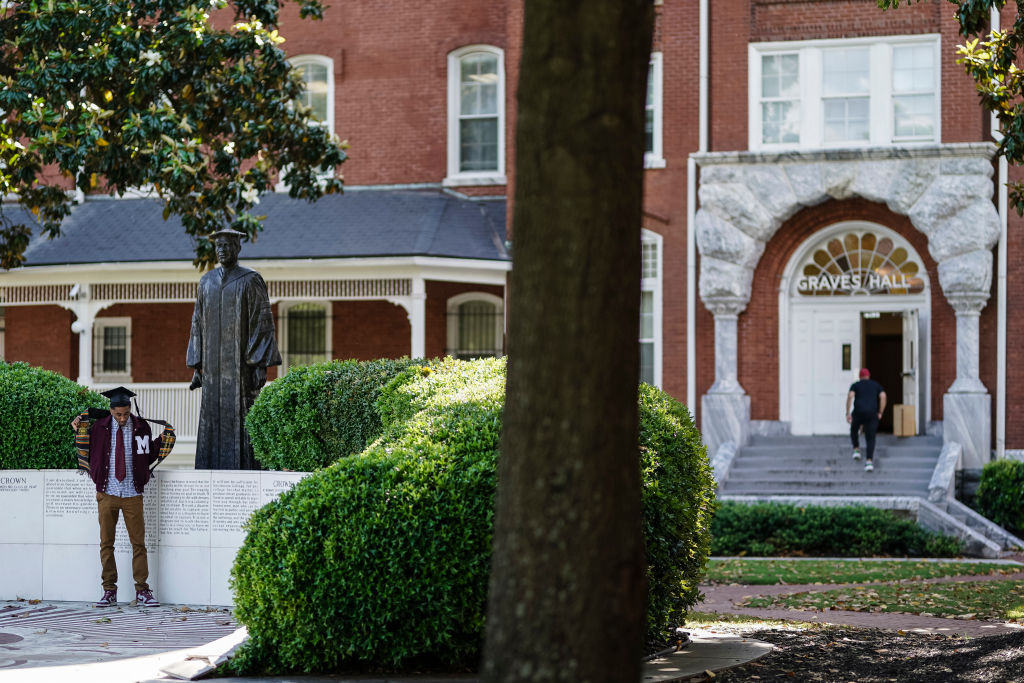
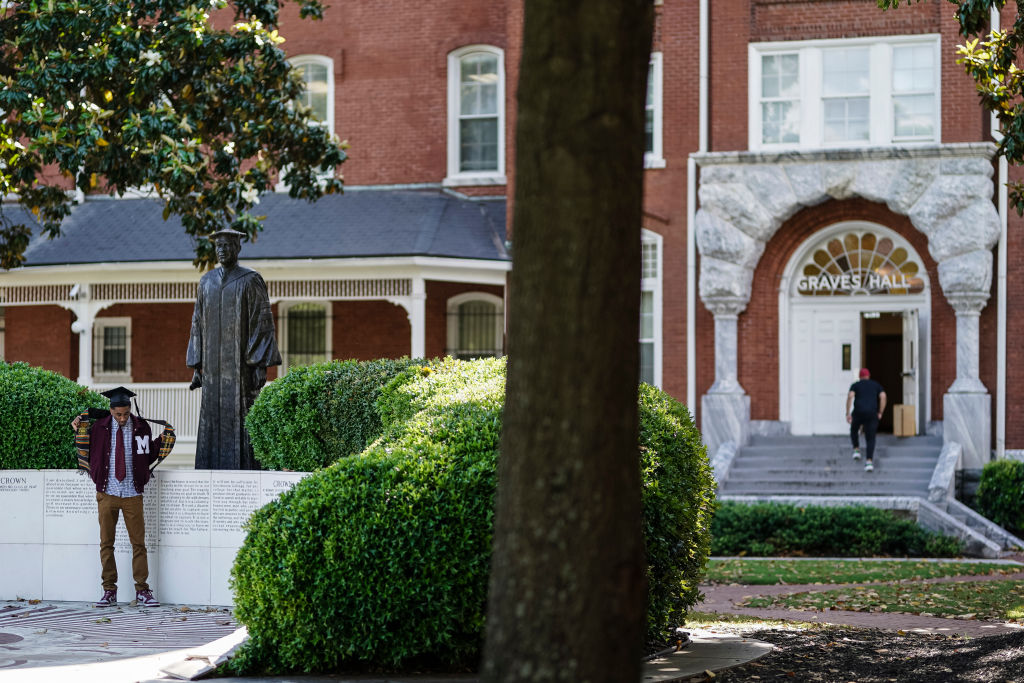
Well, ya don’t say.
The Guardian reports that new research suggests that attending a Historically Black College or University (HBCU) may have lasting cognitive benefits for Black Americans later in life. If you aks any HBCU grad, this is less than shocking (yet quite satisfying) news. The study, published in JAMA Network Open, examined nearly 2,000 Black adults who attended college between 1940 and 1980, a period shaped by major legal and social changes such as the Brown v. Board of Education decision and the Civil Rights Act.
Researchers found that individuals who attended HBCUs showed better cognitive performance—particularly in memory and overall brain function—around age 62 compared to those who attended predominantly white institutions (PWIs). These differences persisted across multiple generations, including those who studied before and after desegregation. The findings suggest that the type of educational environment, not just the number of years spent in school, can have long-term health implications.
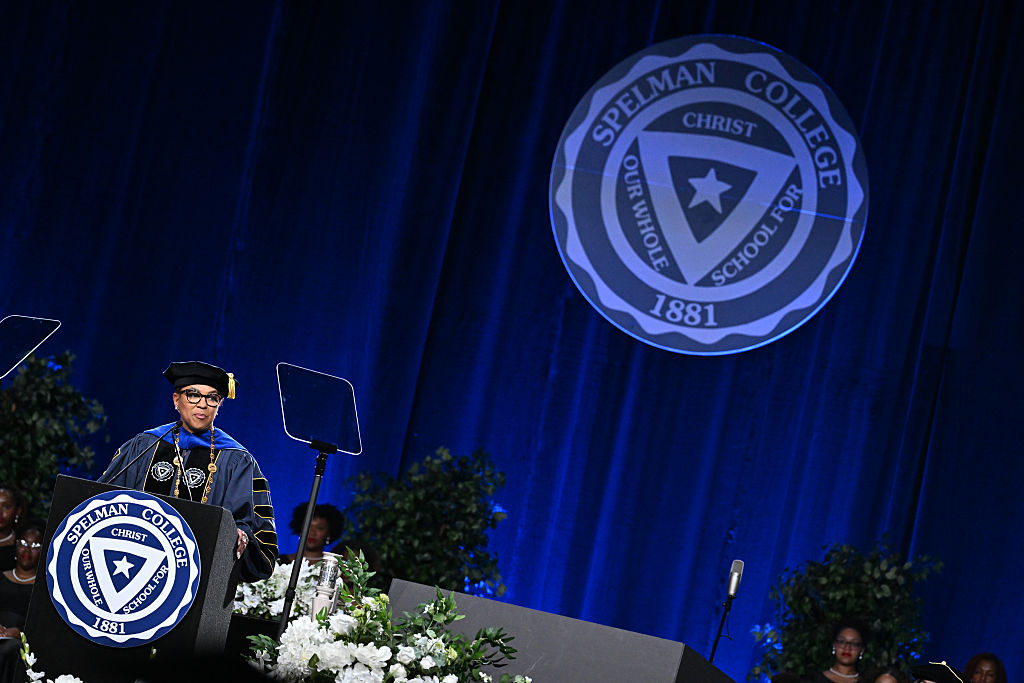
The study was led by Dr. Marilyn Thomas of the University of California, San Francisco, who emphasized that this research is among the first to focus specifically on how college environments shape later-life cognition. Her work builds on existing evidence that chronic exposure to racism negatively affects physical and mental health. By contrast, HBCUs may provide protective benefits by fostering culturally affirming and supportive spaces that reduce stress and promote well-being.
Participants who attended HBCUs were also more likely to report positive early-life experiences, such as having caregivers who encouraged their education or showed affection during childhood. These factors, combined with the supportive social and academic networks often found at HBCUs, may contribute to stronger long-term cognitive resilience. Researchers suggest that such environments help mitigate the harmful effects of systemic racism, which can otherwise contribute to conditions like accelerated aging and cognitive decline.
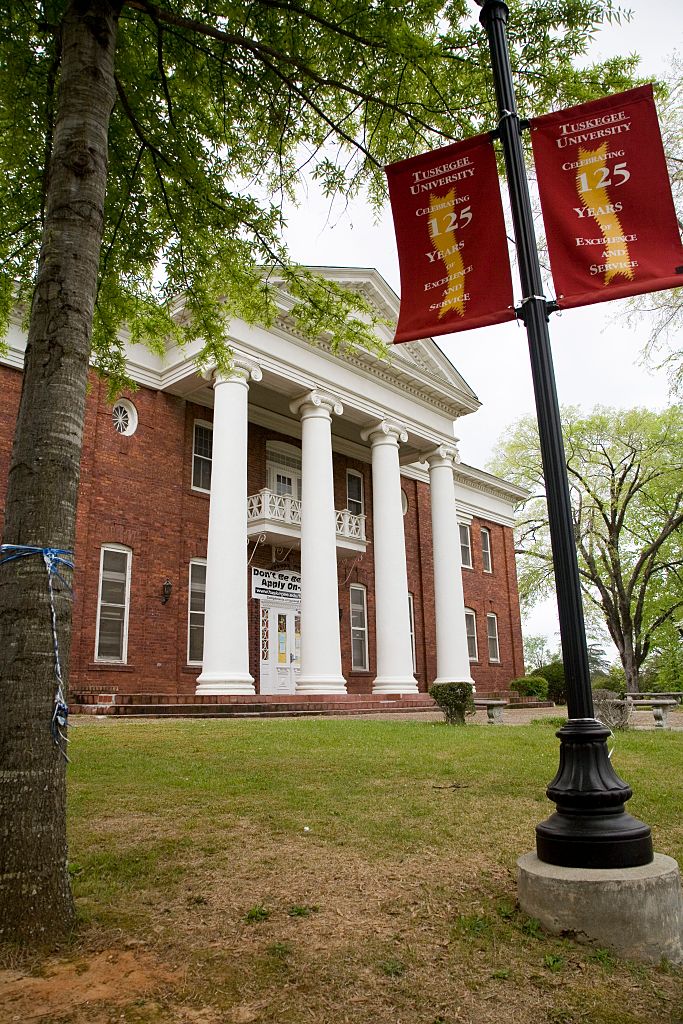
Importantly, the study is described as exploratory, meaning it does not establish direct causation but instead highlights strong correlations. It also does not fully account for all variables, such as differences in graduate education paths or socioeconomic factors later in life. Still, the consistency of the findings across different groups strengthens the argument that exposure to affirming educational settings matters.
Ultimately, the article underscores the broader significance of HBCUs beyond academics. At a time when diversity, equity, and inclusion initiatives face increasing scrutiny, the research suggests that institutions designed to support marginalized communities can have measurable, lifelong health benefits. The findings reinforce the importance of preserving and investing in these spaces, not only as educational institutions but as critical contributors to long-term well-being and equity.
The post WE KNOWWWW: New Study Says HBCUs Are Better For Black Students’ Long-Term Health, Historically Black College Grads Gleeful appeared first on Bossip.