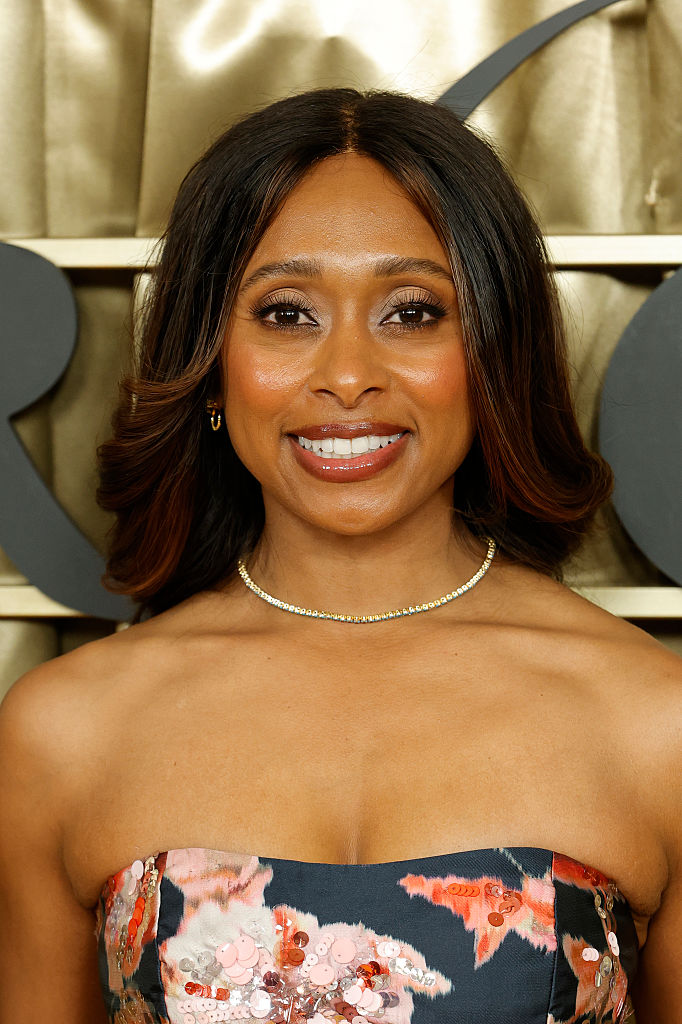
When #MelaninMagicMaker Dr. Rae Wynn Grant appears on screen exploring forests, oceans, and remote ecosystems around the world, she is doing more than hosting a television show. She’s redesigning what representation in science and wildlife storytelling can look like.
Source: Frazer Harrison / Getty
The wildlife ecologist and researcher currently co-hosts Mutual of Omaha’s Wild Kingdom Protecting the Wild, an NBC nature series that has already earned five Emmy nominations and ranks as the number one weekend wildlife show on television. With the role, Wynn Grant made history as the first African American woman to host an original wildlife series.
For Wynn Grant, the moment was not just professionally significant. It was deeply personal.
“Oh gosh, it was very profound. It was nothing that hit me lightly. It hit me very, very heavy,” said Wynn Grant. “Mostly because I used to watch the show as a kid.”
The iconic nature program originally debuted decades ago, but the scientist says the series was part of the television landscape that shaped her childhood curiosity about wildlife.
“I used to watch the show and I used to dream about being one of the guys that I saw on TV,” she explained. “I wanted to be a nature show host because of shows like this.”
From Childhood Dreams To Wildlife Ecologist
Although Wynn Grant imagined herself on television early on, her path to becoming a host took a scientific route. She pursued wildlife ecology, studying how human activity influences the behavior and survival of large carnivores like black bears and mountain lions.
In fact, she never formally auditioned for the role at all.
“I did not audition. I didn’t apply to be the host,” Wynn Grant said. “I was doing my work as a wildlife ecologist. I was doing as much media as I could, and I got noticed by Wild Kingdom and invited to be a part of the show.”
The opportunity made history.
“I knew I didn’t have to Google it or look around to know that I was the first Black woman to have a position like this, that I was making history, that Wild Kingdom was making history,” she said. “It has been not just a dream come true, but a very important, significant moment for me.”
Showing The Science Behind Wildlife Television
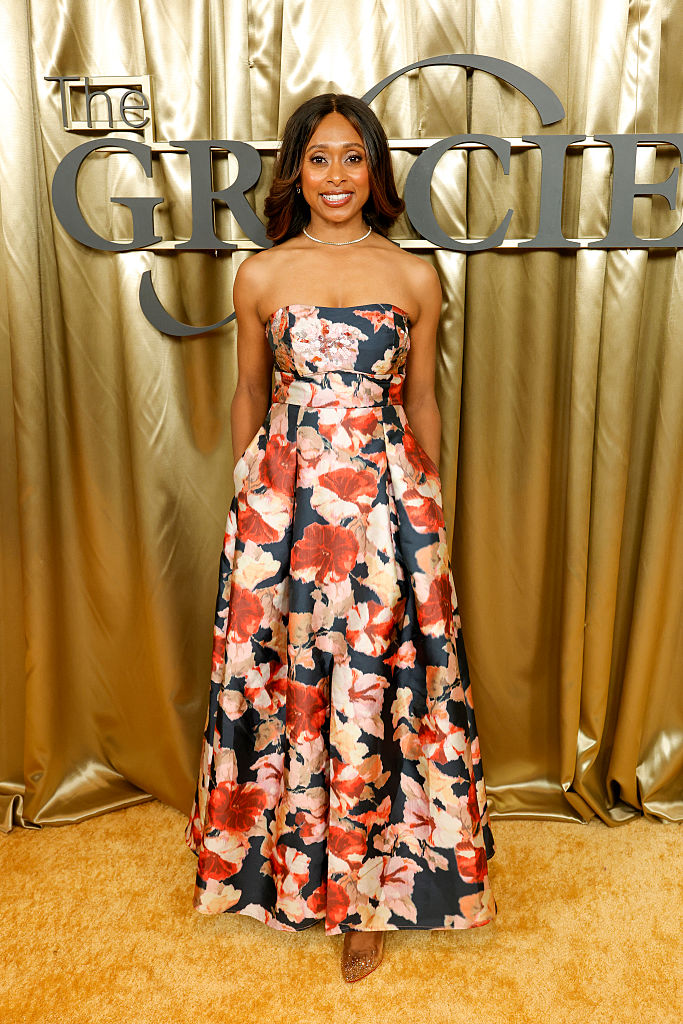
While many wildlife shows focus on dramatic encounters with animals, Protecting the Wild highlights conservation work and the people behind it.
Source: Frazer Harrison / Getty
Wynn Grant says that distinction was intentional.
“There’s a lot of wildlife content on TV right now that is just sensational,” she explained. “Like can I wrestle this alligator? Can I get bitten by this crazy insect?”
Instead, the NBC series centers on the scientists and conservationists working to protect endangered species and fragile ecosystems.
“For us, we’re showing wild animals and wild places, but also the people who are designing science projects to protect them, to keep them from going extinct,” she said. “We get the wildlife, the people, the projects, and the success all in one episode.”
The approach also gives viewers insight into the many career paths available in conservation.
“People are learning not only about this cool animal like a polar bear or a beluga whale, but also what careers are out there,” Wynn Grant said. “You don’t have to be a scientist like me. There are so many options.”
Breaking The Myth That Black People Do Not Belong Outdoors
For Wynn Grant, representation within conservation is another mission that runs parallel to her scientific work.
She says one of the biggest misconceptions she still encounters is the idea that Black people not belonging in wildlife spaces.
“I’ll even get social media comments where people say this is some white people foolishness,” she said, referencing reactions to visuals of her work.
In reality, she says, the field already includes many Black scientists and environmental advocates whose work often goes unseen.
“A lot of my best friends are Black female wildlife ecologists,” she said. “We are a bit invisible, but we exist. We are present. We are this silent army of people saving the planet out there every day.”
Life In The Field And At Home
Wynn Grant’s work also takes her into the wilderness for weeks at a time. During certain seasons, her fieldwork includes crawling into bear dens to examine newborn cubs.
“At the end of February or the beginning of March is when female black bears give birth while they are hibernating,” she explained. “Wildlife ecologists like myself actually do checkups on female bears and their cubs while they hibernate.”
That means long days spent deep in forests documenting wildlife behavior before returning home to a completely different role.
“I like to tell people I have a double life,” she said. “Sometimes I’m away for four or five or six weeks in the wilderness. Then I come home and I’m a wife and a mom.”
The scientist shares two daughters with her husband, whom she says plays a key role in supporting her demanding schedule.
“I have an amazing husband who supports me. He is a stay at home dad because he has to do the full time parenting when I’m away,” she said.
A Global Look At Conservation
Season three of Mutual of Omaha’s Wild Kingdom Protecting the Wild expands beyond the United States with conservation stories from across the globe.
The new season includes filming in Queensland Australia, Mexico, Central America, Canada, and other remote regions. Wynn Grant says the episodes also challenge common fears about certain species.
“There are a lot of people who are really scared of sharks,” she said. “And we tell shark stories about how they need our protection.”
The series also explores primate habitats and marine ecosystems while highlighting the conservation projects helping species’ survive.
Creating Possibility For The Next Generation
As one of the few visible Black faces in wildlife television, Wynn Grant hopes her presence helps expand what young people imagine for their futures.
“If you can’t see it, you can’t see it,” she said.
She hopes viewers see her working in the field and begin to picture themselves in similar roles.
“When people do that double take like wait, she’s doing that work, she’s swimming with sharks, she’s going into the bear den,” Wynn Grant said. “I hope it allows people to imagine themselves anywhere in any field.”
For her, the goal extends far beyond wildlife conservation.
“I hope young Black girls, young Black boys, people of color around the world, anybody who wants to be a change maker feels belonging in that space,” she said. “Not just in wildlife conservation, but in anything that can make the world a better place.”
Mutual of Omaha’s Wild Kingdom Protecting the Wild airs Saturday mornings on NBC and is available for streaming on Peacock.