A recent ruling by the Alabama Supreme Court has brought renewed attention to the 2022 arrest of Pastor Michael Jennings, a case that previously gained national attention.
According to ABC 3340, the court’s 6–3 decision clarified that under Alabama’s “stop-and-identify” law, police officers may require a person to present physical identification if they believe the individual’s verbal responses are incomplete or unsatisfactory. The ruling stems directly from Jennings’ arrest and is expected to influence how similar encounters are handled going forward.
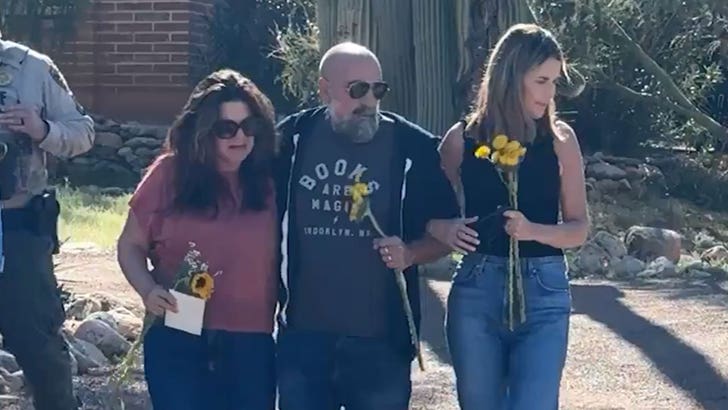
The incident itself dates back to May 2022 in Childersburg, Ala. Jennings, a local pastor, was watering flowers at a neighbor’s home while they were out of town. A separate neighbor called 911 to report a “suspicious” person, describing a young Black man and an unfamiliar vehicle.
When police arrived, Jennings calmly explained that he lived across the street and had permission to care for the property. He identified himself as “Pastor Jennings” and provided an explanation for his presence. However, when officers demanded to see a physical ID, Jennings refused, maintaining that he had done nothing wrong.
Despite later confirmation from a neighbor that Jennings belonged there, officers detained and arrested him, charging him with obstructing a government operation. The charge was ultimately dropped shortly after the incident.
The arrest sparked widespread backlash and was widely circulated online. BOSSIP covered the incident in 2022, highlighting the circumstances, and Jennings’ plans to pursue legal action against the police department for what he alleged was discriminatory treatment.
Jennings later filed a civil lawsuit claiming false arrest. While a federal judge initially dismissed the case, the 11th U.S. Circuit Court of Appeals revived it, leading to the legal question that ultimately reached the Alabama Supreme Court.
Director of the Cato Institute’s Project on Criminal Justice, Matthew Cavedon, says this ruling represents a “significant expansion” of the state’s power to rule over citizens.
“The significance now for Alabamians is if an officer’s not satisfied with whatever answer you give, I sure hope you’ve got your driver’s license or passport on you,” he said.
The court’s recent ruling does not resolve Jennings’ lawsuit but does establish a broader interpretation of police authority during stops. Civil liberties advocates argue the decision expands law enforcement power, while supporters say it clarifies existing law.
The post So Shameful: Alabama Supreme Court Rules In Favor Of Cops, Following Black Pastor’s Arrest For Watering Neighbor’s Flowers appeared first on Bossip.